Beehive Graphics for Crafts and Modern Design
When I first opened the Beehive design asset to review it for a potential client project, my immediate reaction was one of warm, organic charm. As a graphic designer who frequently navigates the space between commercial branding and handmade aesthetics, I look for assets that strike a balance between whimsy and professionalism. This particular collection does not feel like a generic clipart download; instead, it carries a distinct visual personality that suggests a curated craft experience. The style is approachable yet structured, making it an ideal candidate for projects targeting small businesses, boutique product lines, or seasonal marketing campaigns.
The mood created by Beehive is inherently friendly and inviting. It evokes the feeling of a local artisan shop, a cozy bakery, or a sustainable lifestyle brand. In my experience, visual trust is built through these subtle cues. If a client wants their audience to feel safe, creative, and connected, this asset provides the perfect foundation. It represents a modern design trend that leans into nature-inspired themes without sacrificing clarity. Whether used for brand identity, packaging design, or social media graphics, the asset brings a sense of authenticity that corporate sans-serif fonts often lack.
Real-World Application in Client Projects
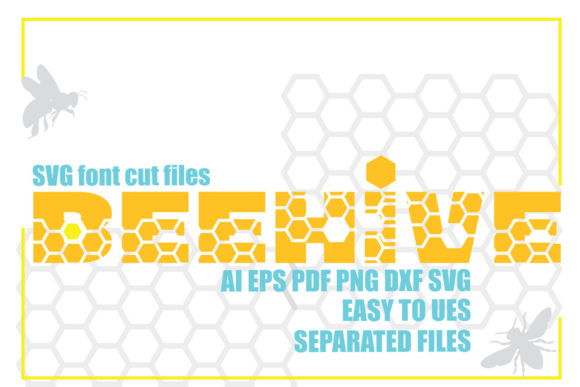
To understand the true value of this asset, imagine I am preparing a visual concept for a new handmade candle business launching on Etsy. The owner wants a logo and packaging that feels rustic but clean enough for print-on-demand services. Beehive fits this brief perfectly. The separation of files allows me to isolate specific elements, such as the honeycomb structure or the bee figures, to create a cohesive logo design that scales well across different mediums.
In a practical scenario, I would use the SVG files for large layout areas, such as a hero graphic on a website or a large format poster. The vector nature ensures crisp edges when resized, which is critical for professional output. For smaller applications, like product labels or sticker designs, the PNG versions with transparency are invaluable. They allow me to layer the design over textured backgrounds or photos of actual products without fighting with white boxes. This versatility makes it a robust digital product for any designer working on printable wall art or merchandise.
The asset also shines in marketing visuals. For a seasonal campaign, perhaps for Mother's Day or a summer sale, Beehive can serve as a decorative accent that ties together various design assets. I could incorporate the numbers 0-9 and the A-Z alphabet to create custom pricing tags, event invitations, or limited edition packaging details. The inclusion of bonus files adds significant value, allowing for more complex compositions without needing to source additional illustrations. This efficiency is crucial when managing tight deadlines for content creators and publishers.
Where the Design Asset Excels
Beehive performs exceptionally well in environments where emotional appeal and visual hierarchy need to work in tandem. It is particularly effective for:
- Packaging Details: Adding a touch of elegance to product boxes, jars, or bags for a handmade business.
- Social Media Posts: Creating eye-catching Pinterest pins or Instagram stories that stop the scroll with natural imagery.
- Cricut Projects: The cut files are optimized for vinyl cutting, making them perfect for t-shirt designs, tote bags, and mugs.
- Themed Collections: Building a consistent visual language for a line of Etsy products or a digital planner series.
- Editorial Design: Enhancing blog posts or newsletters with thematic illustrations that break up text blocks naturally.
When placed correctly, the asset elevates the perceived value of the final product. It signals to the customer that care has been taken in the design process, fostering a deeper connection with the brand. For sublimation design, the colors and shapes translate beautifully onto fabric and hard surfaces, ensuring the creative design remains vibrant after production.
Strategic Considerations and Limitations
However, no single asset is a universal solution, and as a professional, I must be mindful of where Beehive should be used carefully. While charming, the detailed nature of the illustration can become problematic in very small sizes or crowded layouts. If the design element is scaled down too much for a mobile ad or a tiny icon, the fine details may blur or disappear, leading to a loss of visual impact.
Furthermore, in projects requiring a strictly minimalist aesthetic or high-end corporate branding, the whimsical tone might clash with the desired serious or sleek vibe. It is less suitable for financial institutions, law firms, or medical practices where visual hierarchy demands absolute neutrality. In low-contrast designs or on complex backgrounds, the asset might get lost unless carefully color-matched or isolated. Designers must ensure there is sufficient negative space around the clipart to let it breathe and maintain its integrity.
Practical Designer Notes for Commercial Use
Before committing to using Beehive for a paying client, several technical checks are non-negotiable. First, always test the asset in black and white. This reveals how well the shapes hold up without relying on color to define them, ensuring the visual hierarchy remains strong even in monochrome applications. Next, preview the file at both extreme small and large sizes to check for pixelation in the raster versions or jagged edges in the vector files.
I strongly recommend placing the design on real product mockups rather than just viewing it on a screen. This helps visualize how the texture of paper or fabric interacts with the SVG design or PNG design. When reviewing the file formats provided—SVG, DFX, EPS, PNG, PDF—ensure that the SVGs are truly editable paths and not embedded images. Check the transparency of the PNGs to confirm they have clean edges, which saves hours of manual cleanup in software like Illustrator or Photoshop.
It is also wise to compare Beehive against other font styles. Does it pair better with a serif font for a classic look, or a handwritten font for a personal touch? Testing these combinations early prevents rework later. Finally, and most importantly, confirm the commercial license terms. Ensure that the agreement covers the specific type of usage intended, whether it is for physical goods sold via print-on-demand or digital downloads. Understanding these legal boundaries protects both the designer and the client from future disputes.
In conclusion, Beehive stands out as a versatile and high-quality graphic design asset for those operating in the crafts, lifestyle, and creative markets. Its ability to blend seamlessly into brand identity projects while maintaining a unique character makes it a valuable addition to any design bundle. By approaching it with the right strategic mindset and technical diligence, designers can leverage its strengths to create polished, engaging, and commercially viable work.