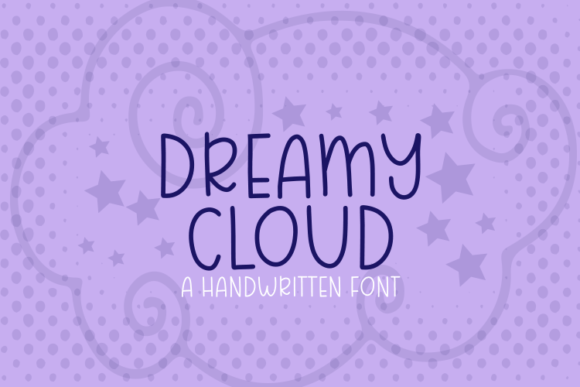
Dreamy Cloud Fonts: A Script Amp Review for Modern Brands
When I first opened the Dreamy Cloud file, my immediate reaction was a sense of relief. In the world of graphic design asset creation, finding a script that feels authentic without looking messy is a rare find. As a brand designer who has spent years helping small business owners and creative entrepreneurs refine their visual identity, I know how critical the right typography is for building audience trust. This lovely handwritten font creates an instant emotional connection that feels personal, inviting, and effortlessly stylish. It is exactly the kind of tool needed when you want to elevate your brand identity from generic to memorable.
The mood this typeface sets is undeniably soft yet confident. It does not scream for attention in a chaotic way; instead, it whispers with charm. This makes it perfect for small business branding where the goal is to build a relationship rather than just make a sale. Whether you are designing for handmade products, lifestyle content, or event promotions, Dreamy Cloud brings a human touch that resonates deeply with modern consumers. It bridges the gap between professional polish and artistic flair, making it a versatile choice for everything from logo design to intricate Pinterest pins.
Real-World Application: Launching a Seasonal Collection
To understand the true value of this asset, imagine a scenario where a boutique skincare brand is launching a limited-edition summer collection. They need to refresh their social media visuals, create packaging inserts, and design a series of digital ads. The challenge is to maintain a cohesive look across all platforms while ensuring the messaging remains clear and engaging. This is where Dreamy Cloud shines as a practical solution for content marketing.
In this campaign, the font would serve as the primary voice for headlines and key phrases. On Instagram posts, it could highlight the product names or special offers, creating a visual hierarchy that guides the eye naturally. For the packaging inserts, the handwritten style adds a touch of luxury and care, suggesting that the product inside is crafted with love. When used on Facebook ads or digital ads, the font helps break up dense text, making the offer more readable and appealing. By integrating this asset into the workflow, the brand achieves a unified aesthetic that feels both curated and approachable.
Where This Design Asset Excels
The versatility of Dreamy Cloud allows it to perform exceptionally well in various high-impact areas. It is particularly strong in hero graphics and campaign headers where you need to capture attention immediately. If you are creating a Canva template for clients, this font can be the star element that defines the entire design system. It also works beautifully as a decorative brand element on product labels or merchandise like T-shirts and stickers.
For publishers and bloggers, it is ideal for editorial design, adding character to blog graphics and website headers. When designing lead magnets or media kits, the font lends a sense of professionalism mixed with creativity. Its ability to stand alone means it can be used effectively in minimal layouts, but it also pairs wonderfully with other styles to create depth. This adaptability makes it a cornerstone for any design bundle aimed at creative marketplaces or commercial design projects.
Strategic Limitations and Careful Usage
While Dreamy Cloud is a powerful tool, no single font is suitable for every situation. As a marketer, I always advise clients to consider the context before applying a specific typeface. This asset should be used carefully in formal corporate branding where strict geometric precision is required. It may not fit the rigid structure of a financial institution or a law firm.
Furthermore, avoid using this font in dense information layouts or for body text in long-form articles. Its handwritten nature is meant for display purposes, not for reading paragraphs of text. On mobile screens, if the font size is too small, the details of the script can become blurry and lose their legibility. Similarly, on low-contrast backgrounds, the delicate strokes might get lost, reducing the impact of your message. In designs where the main message is complex, ensure that the font does not compete with the core information but rather supports it.
Practical Brand Designer Notes for Implementation
To get the most out of this commercial design asset, there are several technical steps you must take before finalizing your campaign. First, test the font with your existing brand color palette. Does the script contrast well against your primary colors? Check its performance in black and white to ensure it retains its shape and clarity when printed or converted to grayscale.
It is crucial to place the font inside real campaign mockups. Visualize it on a phone screen to check readability in small sizes. Compare it against competitor visuals to see how it stands out in your niche. You should also experiment with pairing options. Dreamy Cloud often looks stunning when paired with a clean sans-serif font for body text, creating a balanced composition. However, it can also complement serif fonts for a more classic, editorial feel. Review the spacing and balance carefully; too much kerning can make the script look disjointed, while too little can cause letters to merge.
Finally, confirm your commercial license before using this asset in paid campaigns or client work. Understanding the licensing terms ensures that your professional branding efforts remain legally sound. Once these checks are complete, you can confidently use Dreamy Cloud to create visuals that attract attention and foster loyalty.
Building Emotional Connections Through Typography
The ultimate goal of any marketing visuals strategy is to forge an emotional connection with the audience. Dreamy Cloud facilitates this by evoking feelings of warmth, creativity, and authenticity. In a digital landscape saturated with sterile, mass-produced imagery, a handwritten font stands out as a beacon of humanity. It signals to the viewer that there is a person behind the brand, someone who cares about the details.
This emotional resonance translates directly into better engagement and stronger recognition. When customers see a consistent use of this font across their Social media graphics, email banners, and printable promotions, they begin to associate those specific visual cues with your brand values. Over time, this consistency builds a library of positive associations that can drive sales and advocacy. Whether you are a digital seller creating SVG designs, a coach preparing presentation slides, or a product creator designing surface patterns, this font provides the visual glue that holds your narrative together.
In conclusion, Dreamy Cloud is more than just a pretty typeface; it is a strategic component of a successful modern design ecosystem. It offers the flexibility to adapt to various industries while maintaining a distinct personality. By integrating this asset thoughtfully into your workflow, you can enhance your visual hierarchy, improve your product presentation, and create campaign visuals that are truly memorable. For anyone looking to add a touch of elegance and warmth to their creative design projects, this font is an essential addition to your toolkit.