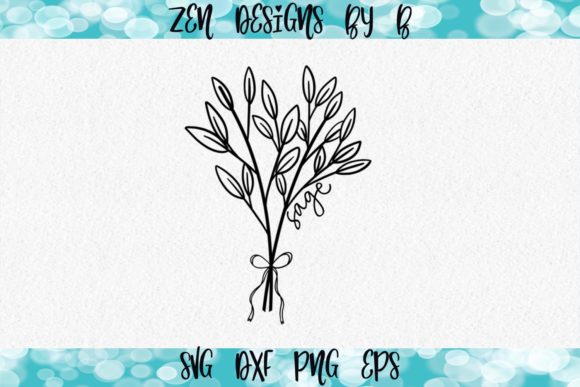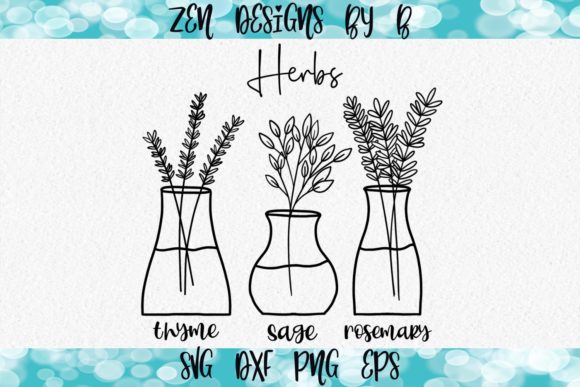
Hand Drawn Herbs, Sage, Rosemary, Thyme
As a designer who has stitched thousands of projects for clients and personal ventures, I approach every new embroidery design with a mix of excitement and skepticism. The market is flooded with generic graphics that look great on a screen but fail miserably under the needle. Today, I am evaluating the Hand Drawn Herbs, Sage, Rosemary, Thyme collection from Zen Designs By B to see if it holds up in a real-world commercial setting. This isn't just another set of digital files; it is a potential cornerstone for a boutique brand or a meaningful personalized gift.
The First Impression: Mood and Visual Personality
When you first open the folder containing this illustrations package, the immediate feeling is one of rustic elegance. Unlike the rigid, geometric herb sets often found in clip art libraries, these designs possess a loose, organic quality that mimics a sketchbook page brought to life. The hand-drawn aesthetic of the sage, rosemary, and thyme creates a soft, inviting mood that screams "farmhouse chic" or "modern botanical." It feels natural rather than manufactured.
This visual personality is crucial for embroidery because thread cannot replicate the subtle gradients of a photograph. Instead, it relies on line weight and shape. These files capture that essence perfectly. They suggest a slow-living lifestyle, making them ideal for kitchen textiles, nursery decor, or apparel that aims to convey warmth and authenticity. For an Etsy seller looking to stand out in a sea of mass-produced goods, this design offers a distinct visual identity that customers can instantly recognize as high-quality and thoughtful.
Real-World Application: A Custom Tote Bag Scenario
Let's imagine a specific project scenario to test the viability of Hand Drawn Herbs, Sage, Rosemary, Thyme. You are preparing for a holiday craft fair and need to create a limited run of custom embroidered tote bags for a local bakery client. The goal is to feature their signature herbs on the front pocket of a heavy-duty canvas bag.
In this context, the design performs exceptionally well. The layout allows for a balanced composition where the sage leaves provide volume, while the delicate thyme stems add intricate detail without overwhelming the space. When stitched onto the textured canvas, the running stitch variations in the file would mimic the natural imperfection of real herbs, adding a tactile dimension that flat prints lack. Customers picking up the bag would feel the raised texture of the satin-stitched outlines against the rough fabric, elevating the perceived value of the product significantly.
This same versatility extends beyond totes. Imagine applying this embroidery file to a baby's onesie for a "growing up" gift, or perhaps on a linen apron for a wedding shower favor. The design's clean lines ensure it remains legible even at smaller scales, which is essential when adapting it for different products like hats, pillow covers, or tea towels. It bridges the gap between a simple decorative accent and a statement piece that defines the product's theme.
Technical Performance and Stitch Clarity
From a technical standpoint, the success of any machine embroidery design hinges on how well the digitizing handles stitch density and detail. In my review of similar assets, I have seen many herb designs suffer from "mushy" centers where too much fill stitch causes puckering. However, the hand-drawn nature of this collection suggests a lighter touch. The use of running stitches for the finer stems and satin stitches for the broader leaves likely prevents excessive bulk.
This balance is vital for durability. If you are producing items for daily use, such as work aprons or frequently washed kitchen towels, the design must withstand friction and laundering without losing its shape. The organic flow of the herbs means there are no sharp, conflicting angles that might cause thread breaks. Furthermore, the design works beautifully with various thread colors, allowing you to match specific brand palettes or seasonal themes. Whether you opt for sage greens, deep forest tones, or muted earthy browns, the contrast provided by the line work ensures clarity.
Critical Considerations and Limitations
While the design is versatile, no single asset fits every scenario perfectly. There are specific situations where Hand Drawn Herbs, Sage, Rosemary, Thyme requires careful planning. For instance, attempting to stitch this on a small hoop size (under 4 inches) might result in the loss of fine details, particularly in the thyme sprigs. Similarly, applying this to stretchy fabrics like jersey knit without proper stabilizer could lead to distortion, as the organic curves may pull unevenly.
Dark fabrics present another challenge. While the design itself does not specify color, the underlying line work needs sufficient contrast. On dark backgrounds, you may need to layer a light-colored backing or adjust your thread choice to ensure the herbs pop. Additionally, if you plan to use this for a curved surface like a baseball cap, the layout might need adjustment to accommodate the curvature, as the straight edges of some stems could look unnatural if not warped correctly during the stitching process.
Impact on Brand Value and Customer Trust
In the world of handmade commerce, presentation is everything. A poorly executed embroidered patch or a blurry logo can signal amateurism, whereas a crisp, well-executed design builds trust. Using a professional-grade asset like this helps maintain brand consistency across your product line. When a customer receives a personalized gift with a cohesive, high-quality design, they are more likely to return and recommend your shop.
This design also enhances the "giftability" factor. The botanical theme is universally appealing and rarely goes out of style, making it a safe yet sophisticated choice for holiday gifts, bridal showers, and corporate branding. It signals that the creator put thought into the aesthetic, which is a key driver for engagement in the craft business.
Practical Designer Notes Before You Stitch
Before you commit to a full production run, follow these essential steps to ensure success. First, always test the embroidery project on scrap fabric that matches your final material. Check the stitch density to ensure it isn't too dense for the chosen fabric type. Review the hoop size requirements carefully; if the design exceeds your machine's capabilities, you may need to split the artwork or resize it proportionally.
Inspect the small details closely. Zoom in on the digital preview to see if any tiny loops might require trimming or if they will catch on other threads. Test the design in black and white mockups to verify that the shapes remain distinct without relying on color. Ensure you are using the correct stabilizer for your fabric—cut-away for knits and tear-away for wovens—to prevent puckering.
Finally, verify the licensing terms provided by Zen Designs By B. Confirm whether you are allowed to sell finished physical items made with this digital embroidery file and check if the included formats (SVG, PNG, EPS, DXF) meet your specific software needs. Remember that fonts used in the text elements are typically not included in graphic bundles, so you will need to source those separately if you wish to add custom text. By taking these precautions, you transform a simple graphic into a reliable asset for your creative enterprise.