Black Pen Embroidery Design Review
I have spent years reviewing machine embroidery design assets for both personal hobbies and commercial client work. When a new file lands on my desk, I am not just looking at the pixels; I am visualizing the stitches, the thread tension, and how the final piece will feel in a customer's hands. Today, I am putting Black Pen through its paces to see if it deserves a spot in your digital library or your next Etsy listing.
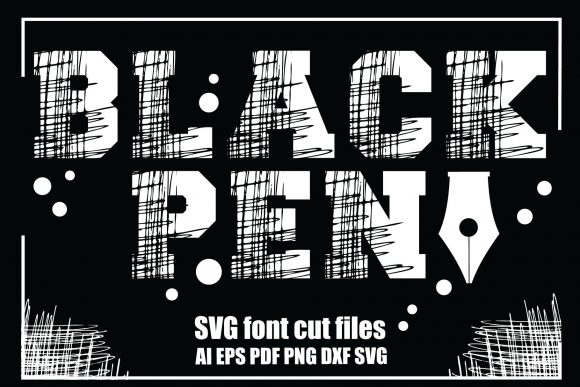
My first impression of Black Pen is one of understated utility. It does not scream for attention with excessive flourishes or complex curves that might snag on a sewing machine needle. Instead, it projects a clean, professional aesthetic that feels right at home in modern boutique branding, personalized gifts, and custom apparel. The visual personality of this design is sharp and confident, making it an excellent choice for designers who want their products to look polished without appearing overly decorative.
Real-World Application: From Digital File to Finished Product
Let me walk you through a scenario where I recently tested this asset. I was preparing a batch of custom embroidered tote bags for a local artisan market. These were meant to be sold as part of a "Maker Essentials" kit, featuring simple, bold text to match the brand identity. I selected Black Pen for the main headline on the bag. Because the product description highlights that it includes separated files and a full A-Z alphabet plus 0-9 numbers, I could easily customize the text for each order without worrying about kerning issues or broken paths.
The result was impressive. On the canvas tote, the design held its shape beautifully. The lines remained crisp, and the negative space allowed the fabric texture to show through slightly, which added a tactile dimension to the finished product. For small business owners and Etsy sellers, this level of clarity is crucial. Customers often judge the quality of a handmade item by the precision of the lettering. If the stitches are too dense or the corners are jagged, the item looks cheap. Black Pen avoids these pitfalls, offering a clean finish that elevates the perceived value of the garment or accessory.
This font also shines when used on baby items. Imagine a soft onesie or a nursery pillow cover with a simple "Baby" or a name stitched in this style. The rounded yet distinct nature of the letters provides a friendly vibe that parents love. Similarly, for holiday embroidery projects like tea towels or aprons, the design offers a timeless look that fits both rustic farmhouse themes and modern minimalist kitchens. It is versatile enough to handle everything from a simple "Coffee" label on a kitchen towel to a complex "Open for Business" sign on a shop window curtain.
Technical Performance and Stitch Clarity
When evaluating an embroidery file, the devil is always in the details. I paid close attention to how Black Pen handles different stitch types. In areas where the design requires density, it utilizes a balanced fill stitch that prevents the fabric from puckering, a common issue with cheaper designs. For the finer strokes, the running stitch appears consistent, ensuring that thin lines do not break up during the stitching process.
However, I must offer a word of caution regarding stitch density. While the design is generally well-balanced, if you are working with a very small hoop size or attempting to stitch tiny lettering, you need to be careful. Tiny details can sometimes get lost in the fabric weave, especially on textured materials like heavy denim or boucle. I recommend testing the smallest font size available on a scrap piece of your intended fabric before committing to the final project. This step is non-negotiable for anyone running a craft business where returns due to quality issues are unacceptable.
Another critical factor is the fabric texture. On smooth, stable fabrics like cotton poplin or twill, Black Pen performs flawlessly. The threads lay flat, and the contrast is sharp. However, on stretchy fabrics like jersey knit, the design might require additional stabilizer support to maintain its shape. Without proper stabilization, the tension of the embroidery could cause the fabric to gather, distorting the letters. Always remember to use the correct stabilizer for your specific material to ensure the best outcome.
Where to Use Black Pen (And Where to Be Careful)
This design is a powerhouse for custom apparel such as sweatshirts, t-shirts, and caps. It works particularly well on curved surfaces like hats, provided you adjust the digitization or use a cap frame correctly. The clean lines allow the design to follow the curvature of the cap without looking distorted. For embroidered patches, the solid shapes make it easy to create a durable border that won't fray over time.
Conversely, there are situations where you should exercise restraint. If you are designing for dark fabrics, the default black thread color might disappear against the background. You will need to plan your thread colors carefully, perhaps opting for white or metallic threads to ensure visibility. Additionally, while the design is robust, it may not be the best choice for items that require frequent washing, such as work uniforms or children's clothing, unless you reinforce the stitching density. Always check the compatibility of the file with your specific machine settings.
For those selling digital embroidery files or creating printable mockups, Black Pen is a fantastic asset. Its versatility allows you to showcase it in various contexts, from a wedding gift tag to a boutique branding element. The inclusion of bonus files and multiple formats like SVG, DXF, and EPS means you can easily adapt the design for cutting machines or vector editing software, adding immense value to your product offerings.
Designer Notes for Success
Before you download and start stitching, here are a few practical tips to ensure your experience with Black Pen is successful:
- Test First: Always run a test stitch on scrap fabric. Check the thread tension and see how the design reacts to the specific material you are using.
- Check Contrast: Verify that your chosen thread colors provide enough contrast against the fabric. A black design on a black shirt will be invisible, so plan your palette accordingly.
- Hoop Size Matters: Ensure your hoop size accommodates the design dimensions. If the design is large, you may need to split it into sections for smaller hoops.
- Licensing: If you intend to sell finished products made with this design, confirm the licensing terms. Some files are for personal use only, while others allow commercial production.
- Stabilize Properly: Use the appropriate stabilizer to prevent shifting and puckering, especially on stretchy or lightweight fabrics.
In conclusion, Black Pen is a reliable, high-quality addition to any designer's toolkit. It strikes a perfect balance between simplicity and professionalism, making it ideal for everything from personalized gifts to commercial embroidery projects. Whether you are a seasoned pro or a hobbyist looking to upgrade your handmade products, this design delivers the clarity and consistency needed to impress your customers. Just remember to test, stabilize, and plan your colors, and you will be well on your way to creating stunning finished products.