Nightmare Before Caffeine: A Designer's Real-World Embroidery Review
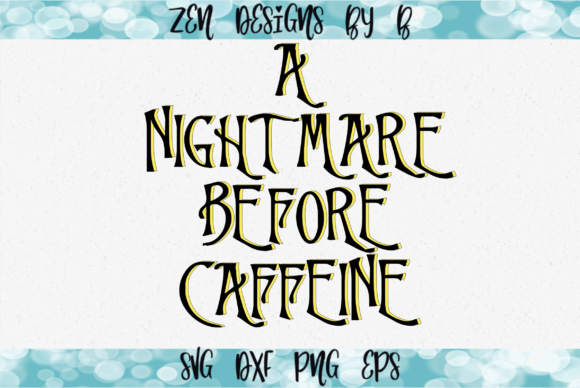
When I first opened the files for Nightmare Before Caffeine, my immediate reaction wasn't about the technical specs, but rather the vibe it projects. As a designer who spends hours evaluating graphics for both personal hobbies and commercial client work, I look for that specific spark where creativity meets practicality. This design hits a sweet spot between spooky whimsy and relatable humor. It feels like the perfect companion for early mornings or late nights when coffee is the only thing keeping us going. The layout suggests a playful narrative, making it an ideal candidate for custom apparel, tote bags, or even a unique patch for a denim jacket.
First Impressions: Mood and Visual Personality
The name alone sets a tone of chaotic energy mixed with a touch of gothic charm. In a digital file format, this translates to a bold visual statement that demands attention without being overwhelming. The typography and imagery work together to create a scene that feels familiar yet distinctively creative. For embroidery designers, the initial assessment is always about how the shapes will translate from screen to fabric. Does the design have enough negative space to breathe? Are the details too fine for a standard machine stitch?
Nightmare Before Caffeine appears to strike a balance suitable for various textile applications. The concept of a caffeine-fueled nightmare resonates deeply with crafters, small business owners, and anyone in the creative industry who knows the struggle of deadlines. It is not just a graphic; it is a mood piece. When placed on a dark hoodie or a light canvas tote, it promises to be a conversation starter. The visual personality is confident, slightly edgy, and undeniably fun, which makes it a strong asset for branding a handmade shop or creating personalized gifts that feel authentic.
Real-World Application: From Screen to Stitch
I recently imagined using this design for a specific project: a limited run of embroidered tote bags for a local coffee shop collaboration. The goal was to create something that baristas would wear during their shifts, serving as both a uniform and a piece of marketing. The Nightmare Before Caffeine theme fits perfectly here. It acknowledges the long hours and the heavy reliance on espresso machines while adding a layer of artistic flair that stands out against the typical plain aprons found in cafes.
In this scenario, the design would likely be stitched onto a durable cotton canvas. The contrast between the thread colors and the bag material would be crucial. If the design features intricate lettering or delicate curves, those areas need to be robust enough to withstand the friction of carrying groceries or laptops. For a sweatshirt embroidery project, the texture of the fleece provides a soft background that allows the stitches to pop, especially if using a satin stitch technique for the outlines. The design's versatility extends to baby items as well; imagine a tiny embroidered version on a onesie for a parent who needs a laugh during sleepless nights. The humor translates across age groups, making it a safe bet for holiday gifts or boutique products.
Where Caution Is Required
However, every experienced designer knows that what looks great in a preview window can sometimes falter under the needle. There are specific situations where Nightmare Before Caffeine requires careful consideration. If you are working with small hoop sizes, such as those used for hats or cuffs, the entire composition might get lost. Curved surfaces like caps present another challenge; the tension required to embroider a flat design onto a curved brim can distort the text or imagery if not managed with the right stabilizer and technique.
Textured fabrics, like thick wool or bouclé, can swallow up fine details. If the design relies on tiny lettering or sharp corners, these elements might become indistinct on rough textures. Similarly, stretchy fabrics like jersey require a high-density stabilizer to prevent puckering, which could ruin the crispness of the Nightmare Before Caffeine aesthetic. Dark fabrics demand a contrasting thread choice; if the design includes subtle shading or light-colored elements, they may disappear into the background unless a proper underlay is used. For products that need frequent washing, such as kitchen towels or aprons, the durability of the stitch density becomes paramount to ensure the design doesn't fray over time.
Impact on Product Value and Brand Perception
Choosing the right embroidery design is often the difference between a generic item and a premium product. Nightmare Before Caffeine adds a layer of personality that elevates the perceived value of a finished product. Customers buying handmade goods are looking for uniqueness and emotional connection. A design that captures a shared feeling—like the love-hate relationship with morning coffee—creates an instant bond between the maker and the buyer.
For Etsy sellers and small shop owners, this design can serve as a powerful tool for brand consistency. Using a cohesive theme across different items, from pillow covers to patches, helps build a recognizable identity. The professionalism of the final stitch job reflects directly on the creator's reputation. If the design is executed with precision, it signals quality and attention to detail, fostering trust among buyers. Conversely, a poorly digitized or stitched version can undermine the effort put into the rest of the product. Therefore, ensuring the embroidery file is optimized for your specific machine and fabric type is non-negotiable for maintaining a high standard of craftsmanship.
Practical Notes for the Design Process
Before committing to a full production run, there are several steps every designer should take. First, test the Nightmare Before Caffeine design on scrap fabric that mimics the texture and weight of your final product. This simple step reveals potential issues with thread tension, density, or color blending that aren't visible on a computer screen. Check the stitch density carefully; overly dense areas can cause the fabric to pucker, while sparse areas might leave gaps in the imagery.
Review the stabilizer requirements based on the fabric type. For lightweight materials, a tear-away stabilizer might suffice, whereas heavier fabrics may need cut-away support. Inspect small details in the design to ensure they are legible after stitching. If the design includes text, verify that the font size is appropriate for the intended surface area. Testing in black and white mockups can also help visualize the contrast before selecting specific thread colors.
It is also vital to confirm licensing terms. While the product description mentions compatibility with tools like Cricut, Silhouette Studio, and Illustrator, you must verify whether the license allows for commercial use of the finished physical products. Some designs are for personal use only, while others permit selling the final items. Always read the fine print to avoid legal complications. Additionally, check if the included formats (SVG, PNG, EPS, DXF) match your workflow requirements. If the font used is not included, you will need to source a similar alternative or purchase the correct typeface separately to ensure the design renders correctly.
Final Thoughts on Creative Potential
Nightmare Before Caffeine stands out as a versatile and engaging design asset for anyone involved in the crafting world. Whether you are a hobbyist looking to personalize a gift or a professional decorator expanding your catalog, this design offers a blend of humor and style that resonates with modern audiences. Its ability to adapt to various textiles—from soft baby clothes to rugged workwear—makes it a valuable addition to any digital library.
By approaching the digitization and stitching process with care, respecting the limitations of the medium, and understanding the context in which the design will live, you can transform a simple graphic into a cherished part of a handmade product. The result is more than just an embroidered image; it is a statement of creativity, a nod to the daily grind, and a testament to the skill of the maker. For those ready to bring this caffeinated chaos to life, the possibilities are truly endless.