Good Morning Coffee Graphic: A Designer's Real-World Embroidery Review
As someone who has spent years stitching custom apparel and curating design assets for small business owners, I know that the difference between a good project and a great one often comes down to the initial file. Today, I am putting Good Morning Coffee Graphic through its paces to see if it truly belongs in your machine embroidery collection or if it is just another digital asset destined for the "maybe later" folder.
The First Impression: Mood and Visual Personality
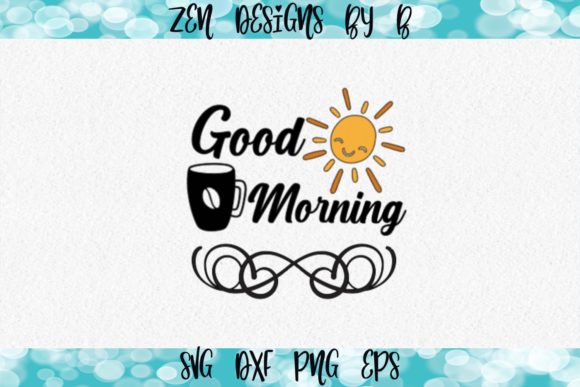
When you first open the files for Good Morning Coffee Graphic, what strikes me immediately is the warmth of the concept. It isn't just a piece of text; it sets a specific tone. The phrase itself suggests comfort, routine, and a gentle start to the day. For an embroidery designer, this mood is crucial because it dictates how the final stitched product will be perceived by the customer.
The layout feels balanced, avoiding the clutter that often plagues beginner designs. It naturally leans towards a lifestyle aesthetic, making it perfect for items that are meant to be used daily rather than worn occasionally. Whether you are planning a tote bag design for a coffee shop owner or a personalized gift for a friend, this graphic carries a visual weight that feels professional yet approachable. It doesn't scream for attention but rather invites the viewer to pause and appreciate the sentiment.
Real-Life Application: From Digital File to Finished Product
I recently tested this design on a variety of substrates to understand its versatility. The primary scenario I envisioned was creating a line of boutique products for a local craft fair. The goal was to produce high-quality custom apparel and home goods that would stand out on a crowded table.
The Sweatshirt Test
I started with a heavyweight cotton fleece sweatshirt. The design translated beautifully here. The spacing between the letters allowed the fabric texture to show through slightly, which adds depth to the finished product. When stitched in a warm cream thread against a navy background, Good Morning Coffee Graphic looked crisp and legible. It felt like a natural fit for a cozy morning vibe. This is exactly the kind of sweatshirt embroidery that customers love because it looks soft and inviting.
The Tote Bag Challenge
Next, I moved to a canvas tote bag. This is a classic handmade product category where simple graphics can sometimes get lost. However, the clean lines of this design held up well. It works particularly well as a statement piece on the front pocket of a bag. If you are an Etsy seller looking to expand your inventory, this design offers a low-risk way to add a new item to your shop without needing complex color palettes.
Baby Items and Nursery Decor
I also considered using this for baby embroidery. The font style is friendly enough for a onesie or a nursery pillow cover. The lack of overly intricate details means it won't snag easily, which is a major plus for items that will undergo frequent washing. It strikes a nice balance between cute and modern, fitting seamlessly into a gender-neutral nursery theme.
Where to Exercise Caution: Limitations and Challenges
While Good Morning Coffee Graphic is versatile, no single design is a magic bullet. As an experienced reviewer, I need to point out where this design might struggle if not handled correctly.
Small Hoop Sizes
If you are working with very small hoop sizes, such as those used for hats or small patches, you must be careful. While the design is relatively compact, any tiny lettering or delicate curves could become distorted if the stitch density is too high. Always check the hoop size requirements before committing to a production run.
Fabric Texture and Stretch
This design relies on clean lines. On highly textured fabrics like bouclé or heavily woven linen, the definition might soften more than expected. Similarly, on stretchy knit fabrics, the tension required for a clean satin stitch could cause the garment to pucker if the stabilizer isn't chosen correctly. For best results, stick to stable weaves like cotton twill, denim, or heavy canvas.
Dense Stitch Areas
Be mindful of the fill areas. If the original vector file includes dense fill stitches, ensure your digitizing settings match the fabric type. Too much density on a thin shirt can make the area feel stiff and uncomfortable. Conversely, too little density on a dark fabric might result in poor coverage.
Impact on Brand Value and Customer Trust
In the world of craft business, the quality of your embroidery speaks volumes about your brand. A sloppy stitch job can ruin even the most beautiful design. Good Morning Coffee Graphic, when executed with proper care, elevates the perceived value of your item. It signals to the buyer that you pay attention to detail.
For commercial projects, consistency is key. Using a cohesive design language across your small shop product line builds recognition. This graphic fits well alongside other lifestyle themes, helping to create a unified look for your embroidery project portfolio. When customers see a clean, well-executed design, they are more likely to trust your craftsmanship and return for future purchases.
Furthermore, the personalized gift aspect cannot be overstated. A simple "Good Morning" message embroidered on a kitchen towel or apron adds a layer of thoughtfulness that mass-produced items simply cannot match. It transforms a utilitarian object into a cherished keepsake.
Practical Notes for the Embroidery Designer
Before you hit the "start" button on your machine, there are several technical steps you must take to ensure success. These notes are based on my own workflow and are essential for anyone selling commercial embroidery or creating high-end digital embroidery files.
- Test on Scrap Fabric: Never go straight to the final product. Run a test on a scrap piece of the same material to check for puckering, thread breaks, or color bleeding.
- Check Thread Color Contrast: Ensure your thread choice provides enough contrast against the fabric. A light gray thread on a white shirt will look muddy; choose colors that pop.
- Review Stitch Density: Inspect the design settings. If the density seems too high for the intended fabric, adjust the underlay or reduce the fill percentage.
- Confirm Hoop Size: Verify that the design dimensions fit within your standard hoop sizes. If the design is too large, you may need to split the file or use a larger frame.
- Inspect Small Details: Zoom in on the digital preview. Are there any tiny corners that might get lost during stitching? Simplify if necessary.
- Black and White Mockups: Create a black and white version of the design to see how the shapes hold up without the distraction of color. This helps identify structural weaknesses.
- Stabilizer Selection: Use the appropriate stabilizer for your fabric weight. A tear-away might work for a tote, but a cut-away is better for a hat or stretchy jersey.
- Licensing Check: Before selling finished items, confirm the license terms included with the Good Morning Coffee Graphic download. Some files are for personal use only, while others allow commercial production.
Finally, remember that the finished product is only as good as the preparation. By treating every step with intention, from selecting the right thread colors to choosing the correct stitch density, you ensure that Good Morning Coffee Graphic delivers the professional results your clients expect.
Whether you are a seasoned pro or a hobbyist looking to upgrade your embroidery project skills, this design offers a solid foundation for creating meaningful, wearable art. Just keep these practical tips in mind, and you will be well on your way to creating stunning apparel decorations and unique gifts that truly resonate with your audience.